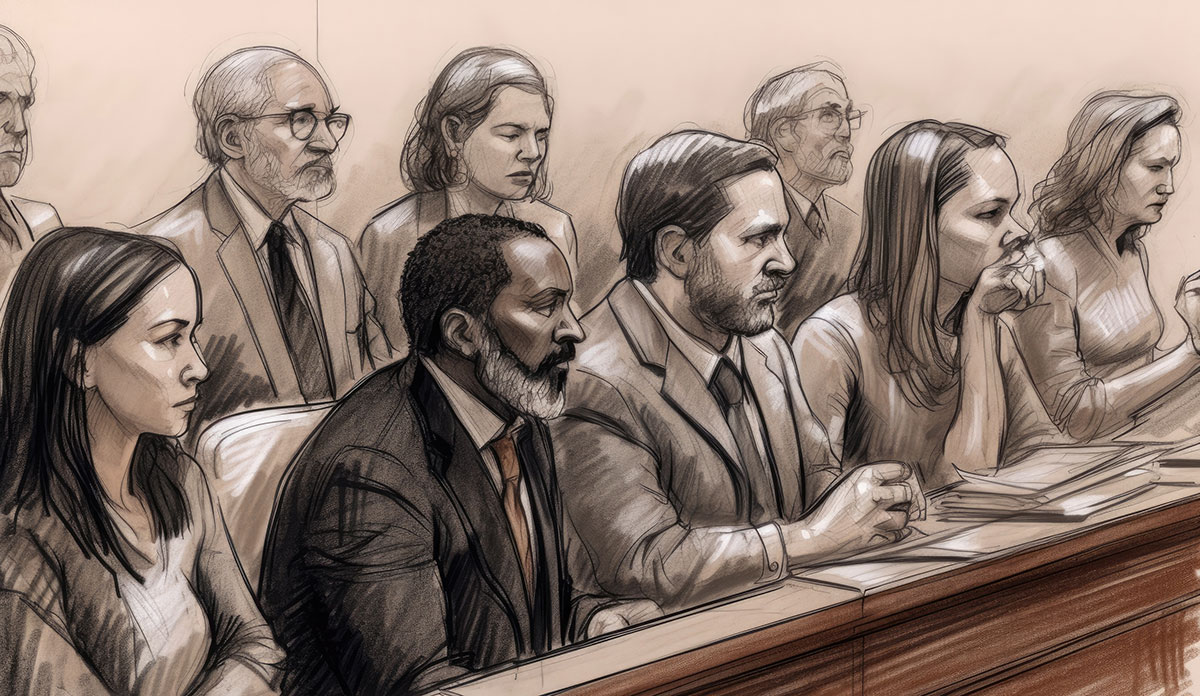
Jury duty is often treated as a civic chore—a day off work, a bit of inconvenience, or something we’d rather postpone. But in rural communities, jury duty carries significance far beyond the inconvenience. Serving on a jury in a small-town courtroom is not just about following the law; it’s about preserving the fairness, integrity, and trust that small communities rely on. As someone who has worked as a public defender, attorney, and judge, I’ve seen firsthand how critical jurors are in upholding justice in rural counties.
The Unique Role of Jurors in Small Towns
In urban courts, cases are numerous, and the impact of a single juror may feel diluted. But in rural courtrooms, every juror’s role is magnified. Fewer people mean smaller jury pools, which makes each individual’s participation essential. A single case delayed or mishandled can have a ripple effect, postponing other trials and increasing stress on judges, attorneys, and court staff.
Jurors in rural areas often know the parties involved, directly or indirectly. That familiarity can be both a challenge and an advantage. It requires jurors to set aside personal biases and focus on the facts, but it also brings a level of care and attentiveness that might be harder to find in a larger, more anonymous courtroom. In this sense, rural jurors have the opportunity to serve not just the law, but the community itself.
Upholding Community Trust
Trust is the cornerstone of justice, and in small towns, that trust is fragile. People know one another, and everyone notices how cases are handled. When residents see their neighbors take jury duty seriously, they gain confidence that the system is fair and accountable. On the other hand, when jurors fail to show up or dismiss their responsibility, it erodes faith in the courts.
I’ve observed that in rural areas, public perception of justice is closely tied to personal experience. Serving on a jury reinforces the idea that the legal system is not abstract or distant—it’s part of the fabric of daily life. Jurors are not just observers; they are active participants in maintaining fairness, ensuring the law is applied equitably, and protecting the rights of every community member.
Ensuring Fair Trials
One of the most important functions of jury duty is ensuring that trials are fair. In smaller counties, a smaller pool of attorneys and judges may handle multiple types of cases, from criminal defense to civil disputes. Jurors bring a fresh perspective, a layperson’s sense of what is just, and the ability to weigh evidence without professional bias.
A fair trial is the heart of our legal system. Without a jury willing to serve, defendants may face delays or even compromises in their right to a proper hearing. Jurors in rural areas have a direct hand in protecting this fundamental principle, something that carries significant weight for the individuals involved and the community as a whole.
Education Through Experience
Serving on a jury is also a form of civic education. Many rural residents may have limited exposure to legal proceedings beyond what they see in movies or on television. Jury duty provides firsthand insight into the judicial process, helping people understand how laws are applied, how evidence is evaluated, and how decisions are made.
This knowledge benefits the community long after the trial is over. People who have served as jurors become better-informed citizens, able to discuss legal issues with perspective and accuracy. They are also more likely to encourage others to participate, further strengthening the civic fabric of rural areas.
A Civic Responsibility
Jury duty is a responsibility that each citizen shares. In small communities, it is a duty that cannot be ignored without consequences. Each absence requires the court to scramble to find replacements or reschedule, creating delays that affect multiple parties. Rural counties often do not have the same resources to manage these disruptions, making the commitment of each juror even more important.
Serving on a jury is not just a legal obligation; it is a chance to contribute meaningfully to the community. The decisions made in those courtrooms impact families, businesses, and neighbors. Jurors provide the collective judgment of the community, ensuring that justice is rooted in fairness, not convenience.
Encouraging Participation
Communities can do more to encourage participation and understanding. Public awareness campaigns, community meetings, and school programs can highlight the importance of jury service. Sharing real-life stories of how jurors made a difference can also motivate people to see jury duty as an honor rather than a burden.
Attorneys and former judges, including professionals like Zach Winsett, attorney, often emphasize that jury service is one of the most direct ways citizens can support their local justice system. It is both a privilege and a duty, and it strengthens the very foundation of law in rural areas.
Conclusion
Jury duty in rural courtrooms is not just about filling a seat in a trial—it’s about safeguarding the principles of fairness, integrity, and community trust. Every juror has a hand in ensuring that justice is served and that the legal system remains accountable to the people it serves. In small towns, where the relationships and reputations of those involved are closely intertwined, participating in jury duty is one of the most meaningful ways a citizen can contribute to the well-being of the community.
By taking this responsibility seriously, rural residents ensure that justice is not only done but seen to be done, reinforcing the values that hold these communities together. It may seem like a small act, but in the lives of those affected by a trial, it can make all the difference.